
What is animal-assisted therapy?
Animal-assisted therapy is not a recreational initiative, although the play established with animals and stimulated in patients may seem like it. It is a personalized process with specific therapeutic purposes, seeking to improve the consequences of physical, cognitive, or emotional disabilities in patients. Many hospital patients or elderly people residing in nursing homes, children with cancer or Down syndrome, benefit from animal-assisted therapy.
Animal-assisted therapy and the role of dogs
But why dogs and not other animals in animal-assisted therapy? It is true that horses and cats are recommended animals for animal-assisted therapy, but dogs are, by far, the most used in these treatments. The reason is none other than the bond of mutual trust that is always easier to establish between dogs and people. Animal-assisted therapy dogs make a difference in the lives of the people they interact with.
What do dogs contribute to animal-assisted therapy, what behaviors are applied with them?
In this sense, animal-assisted therapy dogs are not just any dogs; they are certified animals, chosen and trained to develop a model of interaction with patients that helps improve their condition. Animal-assisted therapy dogs can help lift the patient’s spirits with their mere presence, with the emotional bond created, and greatly facilitate recovery.
In addition to the widely recognized therapeutic benefits, the presence of dogs in educational and clinical settings has proven to be a powerful tool for fostering inclusion and the comprehensive development of children with special needs. Significant improvements in reading and communication skills have been observed, for example, in students in ASD classrooms and Special Education. Likewise, interaction with therapeutic dogs has contributed to the development of autonomy and social skills in children with neuro-divergences, offering a safe and motivating environment for their personal growth.
These experiences highlight the value of integrating dogs into educational and therapeutic programs, not only as emotional support but also as active agents in children’s learning and development process.
Canine Training
Some dogs have been taught to be walked, others are very well adapted to remain calm next to patients, allowing themselves to be petted, and others can sit for a long time next to a child reading a story.
Sometimes, what makes the difference is caring for the animal, taking responsibility for its care, feeding and watering it, or grooming it. Furthermore, some therapy dogs have their own disabilities and even physical limitations, which can serve as inspiration for patients.
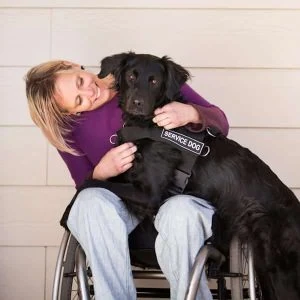
But ultimately, what do patients undergoing animal-assisted therapy feel? Some perceive the dog as a complement, others feel accompanied and even comforted by its presence.
Dog Selection
But not all dogs are suitable for animal-assisted therapy. Candidate animals are those that by nature have a friendly temperament and get along well with people and other animals.
The dog must be confident, patient, calm, receptive to training, and able to perform well in all types of environments. Sociability is a basic condition. Race, age, or size of the animal are not.
The dog does not act alone in therapy. It teams up with an animal-assisted therapy specialist, who is not always the dog’s owner. Both must be trained in a common animal-assisted therapy program and form a winning team where victory is a good accompanying work that provides a desired recovery of lost balance.
If you want to learn about another type of therapy, visit our blog article on art therapy and education.