
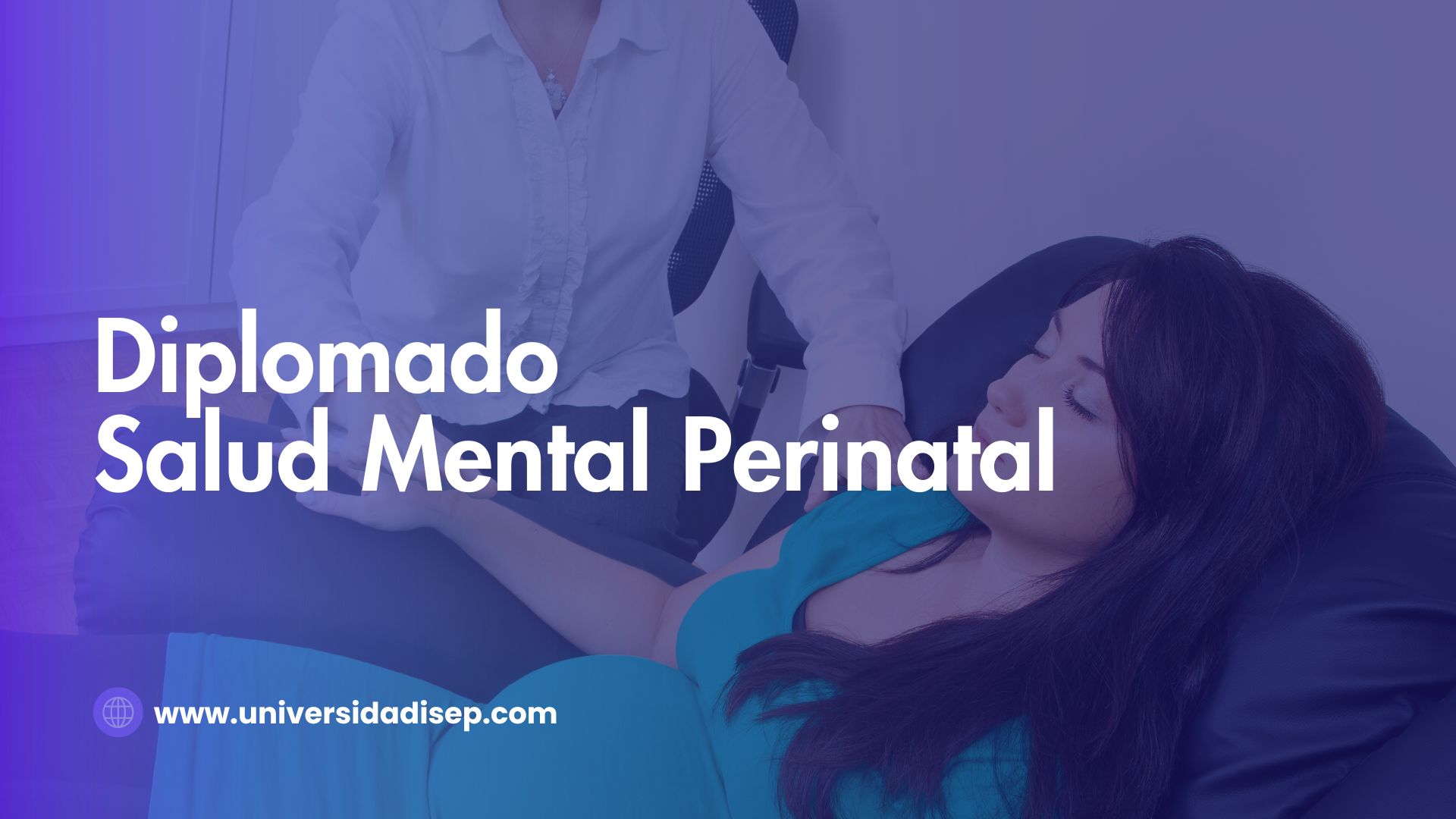
Pregnancy, childbirth, and postpartum are moments of immense transformation. Not only is a baby born; a mother, a father, and a family are born. This neurobiological and psychological process is known today as Matrescence, a transition comparable to adolescence in terms of hormonal and brain changes.
However, this psychic vulnerability is often overlooked. At Universidad ISEP, we believe that obstetric care must necessarily integrate Pregnancy Psychology and emotional care. That’s why we launched the Diploma in Perinatal Mental Health.
What Happens to the Brain During Gestation?
Beyond obvious physical changes, neuroscience has shown that the pregnant woman’s brain undergoes specialized “synaptic pruning.” This has an evolutionary purpose: to optimize neural circuits for parenting and bonding (attachment).
“Ignoring mental health at this stage is ignoring the foundation upon which the emotional health of the future adult will be built.”
Differentiating: Baby Blues vs. Postpartum Depression
For health professionals, it is critical to distinguish between a transient adaptation and a pathology that requires specialized training to intervene. Here are the keys:
| Baby Blues (Dysphoria) | Postpartum Depression |
|---|---|
| Appears between the 3rd and 4th postpartum day. | Can start during pregnancy or months after childbirth. |
| It is transient (lasts max. 15 days). | Persists over time and worsens without help. |
| Symptoms: Crying, mild irritability. | Symptoms: Anhedonia, excessive guilt, disconnection. |
What About Them? Paternal Depression
Often invisible, the mental health of the father or co-parent is vital. It is estimated that 1 in 10 fathers suffer from postpartum depression. Factors such as exclusion from early bonding or economic pressure are triggers that you will learn to address in our training.
Train to Intervene: A Comprehensive Clinical Approach
The Diploma in Perinatal Mental Health from Universidad ISEP provides you with practical tools to address the modern challenges of reproduction and parenting:
- 🧬
Psychology of Assisted Reproduction: Intervention in the emotional impact of infertility and prolonged fertility treatments. - 💔
Gestational and Perinatal Grief: Protocols for accompanying intrauterine death, pregnancy termination, and neonatal grief. - 🧠
Perinatal Psychopathology: Detection and treatment of postpartum OCD, puerperal psychosis, anxiety, and depression. - ⚖️
Obstetric Violence and Ethics: Rights of women and babies in the hospital environment.
Professionalize your vocation
Join the next generation of experts in the beginning of life. 100% Online Course, 120 hours of training.
Limited places · Universidad ISEP